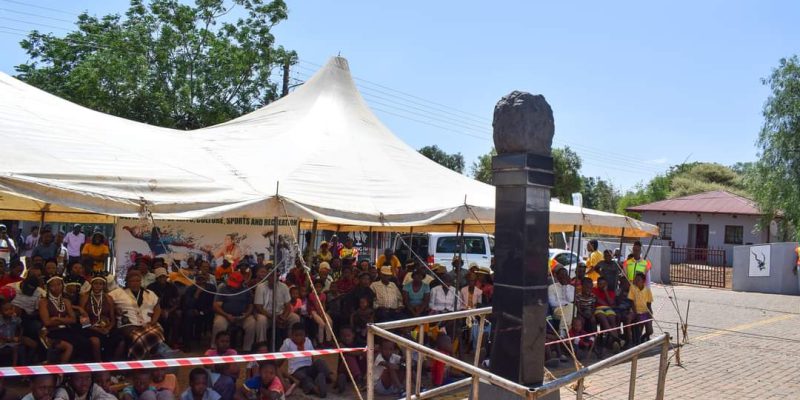
Kgosi Jeff Kgotleng Montshioa giving a speech at a Kgotla
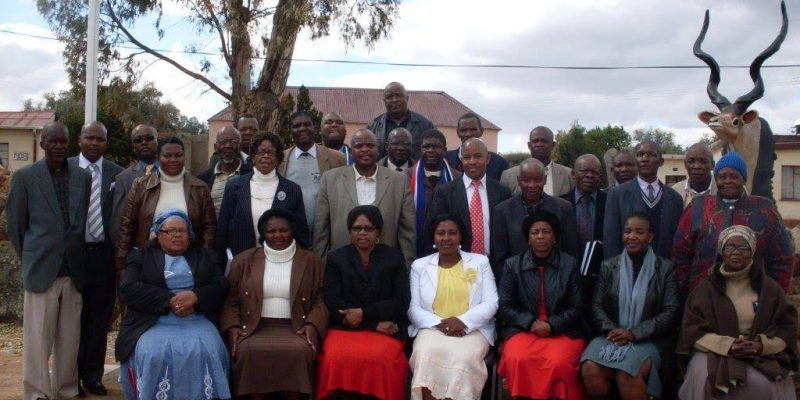
A meeting held at the Main Kgotla offices
Kgosi Jeff Kgotleng Montshioa (right) meeting with the Hon. President Ramaphosa during their ANC campaign here in Mafikeng
Our home - Mahikeng
Mahikeng is a Setswana name meaning ‘a place among the rocks’. It was named after the large volcanic rocks found in abundance there
A typical Tswana hut
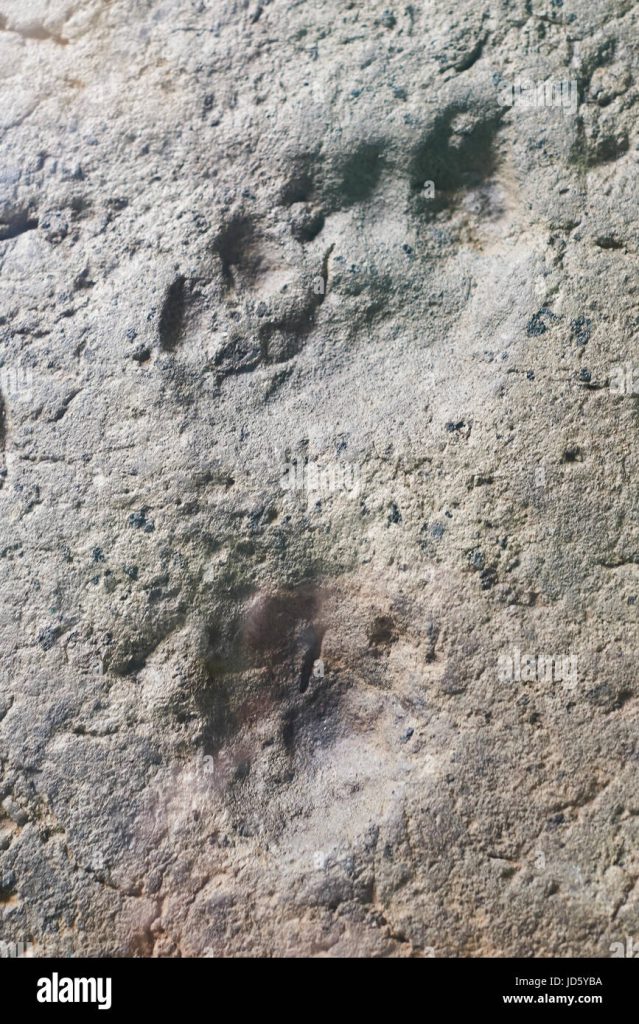
An apparent footprint on a rock
A rock in front of a house
"To the ancient Barolong, the big rocks offered protection against enemies"
Our People
Barolong people are keen farmers with a preference for cattle, sheep, maize and grain. Progressive Tshidi-Barolong kings have long believed in individal land tenure. As early as 1892 Montshioa was already giving out land to individual Barolong as a way of securing it against land-hungry Boers.
The self-reliant Tshidi-Barolong people have always strived for education. Since the establishment of the first school in 1878, the community has always contributed towards the building of more schools and other basic amenities.
Mahikeng today
Mahikeng is favourably positioned; if South Africa is the gateway to Africa then one of those ‘gates’ is Mahikeng which leads into Botswana. Its favourable location saw it being chosen as capital city by three different governments.
Accessibility
• good road connection to the Northern Cape, Johannesburg, Rustenburg and Botswana
• a well establishd rail system with over a 100 year history
• the Mahikeng International Airport.
Tourism
The many battles fought in and for Mahikeng, involving the Barolong, the English and the Boers, make it a prime tourist destination. There are several National Heritage and historic sites to be seen where the Anglo-Boer War and the Siege of Mahikeng played out.
When the world-famous 1898 Siege of Mahikeng came to a triumphant end in 1900, there were unprecendented wild celebrations in England. Scenes like that were only to be witnessed again during V-Day celebrations in London. Subsequently, the word ‘Mafick’ entered the English vocabulary it described “the act of celebrating riotously!”

 Presentation of Research Report by Prof. Khunou